


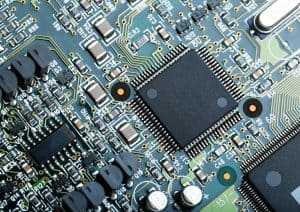


Consumer Electronics PCB – The Core of Modern Devices
Printed Circuit Boards (PCBs) form the foundation of every modern electronic device. From smartphones to smart TVs, PCBs connect and control essential components.
Consumer electronics PCBs are designed for compactness, durability, and high performance, supporting functions such as power delivery, signal routing, and communication.
As devices become smaller yet more powerful, the demand for advanced PCB technologies continues to grow. Understanding the design, materials, and manufacturing process helps ensure product reliability and innovation.
What Is a Consumer Electronics PCB?
A Consumer Electronics PCB is the backbone of any electronic product. It mechanically supports and electrically connects components using conductive tracks and pads.
In consumer devices, these boards must balance performance, size, and cost.
They often include multiple layers to handle complex circuits for data processing, connectivity, and power management.
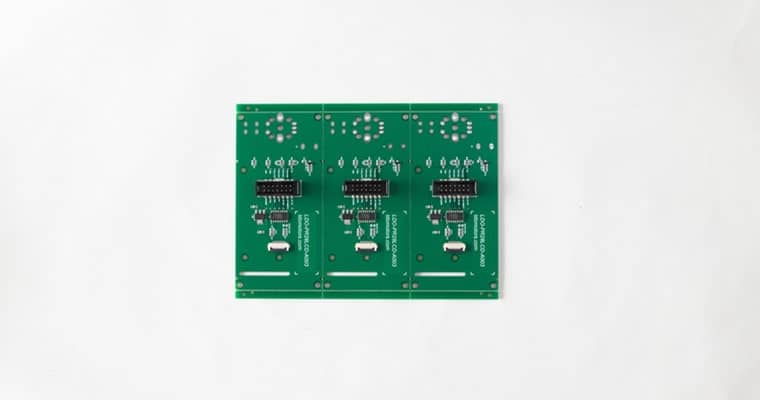
Manufacturers use automation and surface-mount technology (SMT) to achieve precision and scalability.
These PCBs must also meet strict safety and environmental standards, ensuring efficiency and long product life.
Types of PCBs Used in Consumer Electronics
Rigid PCBs
Rigid PCBs are made from solid fiberglass materials like FR4. They are durable and used in televisions, desktop computers, and audio systems.
Their layered structure allows stable performance under heat and stress. These boards are cost-effective and easy to mass-produce.
Flexible PCBs
Flexible PCBs use polyimide materials that can bend or fold without breaking.
They are ideal for devices like smartwatches, fitness trackers, and cameras.
Their flexibility reduces weight and saves space, which makes them vital for modern compact designs.
Rigid-Flex PCBs
Rigid-Flex PCBs combine rigid and flexible sections, offering stability and versatility.
They’re common in smartphones and foldable gadgets where space optimization is key.
Their hybrid structure improves durability and reduces wiring errors.
Importance of PCB Design in Consumer Electronics
Good PCB design ensures device reliability and performance.
A well-designed layout minimizes signal loss, prevents overheating, and enhances energy efficiency.
Engineers focus on miniaturization, component placement, and electromagnetic compatibility (EMC).
Using advanced CAD tools, designers simulate circuit behavior to reduce errors before manufacturing.
Optimized PCB design lowers production costs and extends the product’s lifespan, making it vital for competitive consumer products.
Materials and Components for Consumer Electronics PCB
Consumer PCBs use materials like FR4, CEM-1, and polyimide for durability and insulation.
Copper is the standard conductor due to its excellent electrical properties.
Components include resistors, capacitors, microcontrollers, and integrated circuits, all soldered using SMT.
Choosing quality materials improves thermal stability, reduces defects, and enhances performance.
Manufacturers also consider environmental compliance, ensuring RoHS and lead-free standards.
PCB Manufacturing Process for Consumer Devices
The PCB manufacturing process starts with design and layout creation, followed by material selection.
Etching forms the circuit pattern, while plating adds copper layers for conductivity.
Solder mask and silkscreen printing provide insulation and labeling.
Automated testing checks for short circuits and connectivity issues.
Finally, components are mounted, soldered, and inspected to ensure quality.
Every stage requires precision to meet the high-speed and compact needs of consumer electronics.
Future Trends in Consumer Electronics PCB
The future of consumer PCBs focuses on miniaturization, high-density interconnects (HDI), and eco-friendly production.
Flexible and 3D PCBs are becoming common as devices get smaller and smarter.
AI-driven design tools and advanced automation improve accuracy and speed.
Sustainability also drives innovation, with recyclable materials and low-waste processes gaining popularity.
As technology evolves, PCBs will continue to play a central role in shaping next-generation consumer devices.


