


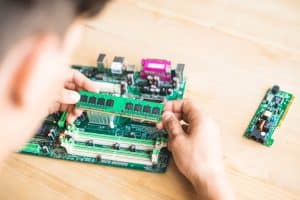

Printed Circuit Boards (PCBs) are the backbone of modern electronics, and their performance depends significantly on the quality and reliability of components used. As electronics manufacturing becomes increasingly complex and globalized, PCB component sourcing has become a strategic function rather than just a procurement task.
Table of Contents
ToggleWhether you’re a startup designing your first prototype or an OEM managing mass production, optimizing sourcing PCB components is key to controlling cost, lead time, and quality. This guide will walk you through the essential strategies, tools, and best practices to ensure smarter PCB parts sourcing.
What is PCB Component Sourcing?
PCB component sourcing involves identifying, evaluating, and procuring electronic components required for assembling a PCB based on its Bill of Materials (BOM). The process includes choosing suppliers, checking availability, comparing costs, assessing lead times, and ensuring authenticity.
It’s not just about purchasing—it’s about building a resilient sourcing strategy that balances performance, price, and timely delivery.
Why Optimizing PCB Component Sourcing Matters
Poor sourcing decisions can cause:
- Production delays
- Increased costs
- Quality failures
- Counterfeit risks
- Loss of customer trust
Conversely, smart PCB BOM sourcing delivers:
- Reduced manufacturing costs
- Faster time to market
- Reliable product performance
- Competitive edge
- Understand Your BOM Thoroughly
Your PCB BOM (Bill of Materials) is the cornerstone of component sourcing. It outlines every part number, quantity, specification, and preferred manufacturer. Ensure your BOM is:
- Accurate and version-controlled
- Includes alternates for critical parts
- Free from obsolete or EOL components
Using a centralized BOM management system helps keep everything synchronized across your design and procurement teams.
- Build Strong Relationships with Trusted Distributors
For reliable electronic component sourcing, choose distributors who are:
- Authorized by manufacturers
- Transparent in pricing and availability
- Known for anti-counterfeit policies
Top distributors like Digi-Key, Mouser, Arrow, and Avnet are preferred sources for PCB component procurement due to their traceability and global reach.
You can also consider local suppliers for faster turnaround and reduced shipping costs.
- Leverage Online PCB Parts Sourcing Tools
Modern sourcing tools make sourcing PCB parts online faster and more accurate. Tools like:
- Octopart: Real-time part pricing, availability, and parametric search
- FindChips: Price comparison across multiple suppliers
- Ultra Librarian: CAD models and sourcing in one platform
These platforms allow engineers and buyers to source smarter by checking multiple parameters simultaneously.
- Compare Prices & Lead Times from Multiple Vendors
To optimize cost-efficiency and delivery, you must:
- Source quotes from at least 3 vendors
- Check MOQ (Minimum Order Quantity) and volume discounts
- Monitor real-time lead time fluctuations
Using e-procurement platforms allows automatic comparison and order optimization, reducing both price and effort.
- Mitigate Supply Chain Risks
The PCB supply chain sourcing environment is dynamic and often disrupted by geopolitical tensions, raw material shortages, and demand surges.
Strategies to reduce risk:
- Source from multiple regions (dual sourcing)
- Keep buffer stocks for critical components
- Identify equivalent substitutes for single-sourced items
- Use demand forecasting models
Supply chain visibility is a key element of PCB sourcing strategies in 2025 and beyond.
- Implement Counterfeit Avoidance Techniques
Counterfeit components can wreak havoc on product reliability. To avoid them:
- Source only from authorized distributors or manufacturers
- Check for traceability certificates
- Perform incoming inspection and component testing
- Maintain records for audits and quality assurance
ISO-certified suppliers with anti-counterfeit compliance policies should be your go-to partners for PCB parts sourcing.
- Align Procurement with Product Lifecycle
Understanding your product’s lifecycle stage helps in aligning your sourcing strategy. For example:
- Prototype stage: Focus on availability and flexibility
- Production stage: Optimize for cost and repeatability
- Maintenance stage: Source parts with long-term availability or suitable alternates
Lifecycle-aware PCB component sourcing ensures you don’t get caught with EOL parts midway through production.
- Automate BOM Analysis & Procurement
Tools like Altium Designer, BOMscrub, and Arena PLM allow automation in BOM parsing, part validation, and sourcing.
Benefits include:
- Detecting obsolete or non-RoHS parts
- Finding alternate part suggestions
- Getting instant procurement quotes
- Avoiding human errors in sourcing
This is crucial for both small and large-scale PCB component procurement operations.
- Monitor Market Trends and Shortages
Staying ahead of market fluctuations is key to optimizing PCB sourcing best practices.
For instance, the 2020–2022 global chip shortage impacted many electronics manufacturers. Learning from such events:
- Sign up for component availability alerts
- Work with suppliers offering demand planning support
- Include market forecasts in your procurement planning
- Work with a Reliable PCB Assembly Partner
Outsourcing your PCB assembly to a full-service provider like MKTPCB simplifies your sourcing challenges.
A capable partner offers:
- Component sourcing services
- In-house quality testing
- Vendor-managed inventory
- Design-to-delivery expertise
Such partnerships reduce sourcing complexity while maintaining control over cost, quality, and lead time.
PCB Component Sourcing Tips Recap
Here are top tips to optimize your component sourcing strategy:
Maintain an accurate and flexible BOM
Use sourcing tools for price and lead time comparison
Avoid single-source dependency
Vet suppliers for quality and traceability
Plan for lifecycle and end-of-life (EOL) issues
Automate wherever possible
Partner with experts for full-service sourcing
Frequently Asked Questions (FAQs)
1. What is the difference between PCB sourcing and procurement?
PCB sourcing refers to identifying and selecting suitable suppliers and components based on quality, price, and availability. Procurement, on the other hand, is the actual process of purchasing and managing these parts once sourcing decisions are made.
2. How can I reduce costs when sourcing PCB components?
To reduce costs:
- Use alternate and generic components when possible
- Order in bulk to leverage volume discounts
- Source from distributors with competitive pricing
- Avoid last-minute purchases which lead to expedited fees
- Optimize your BOM for cost-efficiency
3. How do I avoid counterfeit components in PCB sourcing?
Avoid counterfeit parts by:
- Purchasing from authorized distributors or OEMs
- Verifying traceability and quality certifications
- Performing third-party component testing if needed
- Avoiding grey market suppliers
4. What is a PCB BOM and why is it crucial to sourcing?
A PCB BOM (Bill of Materials) is a detailed list of every component required to manufacture a PCB. It includes part numbers, specs, quantities, and preferred vendors. An accurate BOM ensures efficient sourcing, avoids errors, and supports cost-effective procurement.
5. What are best practices for managing component lead times?
Best practices include:
- Sourcing components with shorter lead times or alternates
- Keeping buffer stock for long-lead items
- Negotiating supplier contracts with guaranteed delivery
- Using tools to monitor lead time changes in real-time
- Planning procurement based on production timelines
Final Thoughts: Mastering PCB Component Sourcing
In today’s competitive electronics market, PCB component sourcing is not just a technical necessity but a strategic advantage. By leveraging smart tools, robust supplier networks, and proven PCB sourcing strategies, you can strike the right balance between cost-efficiency, quality assurance, and time-to-market.
At MKTPCB, we help clients across the globe streamline their electronic component sourcing through turnkey PCB assembly services. Our sourcing team works with vetted suppliers to ensure every component meets your exact specifications.


